Keno – Rules, Number Picks & Play Guide
 Keno
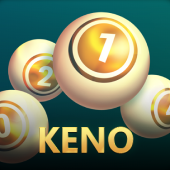
Keno is a draw-based number game: choose numbers, confirm a round and see how many selections match the drawn result. At 789 Bet Bingo, this cards-category title offers a simple, measured format where the rules and stake should be clear before play begins.
In short, Keno rewards understanding the draw rather than predicting certainty. Use this guide to follow a round, read return information carefully and select a pace that fits your limits.
 5 Card Poker
 Cards Hi Lo
 Coin Pusher
 Coin Toss
Why Keno is a draw-and-match game
Keno is built around a short sequence: a player marks a selection, a draw produces the result and the game compares the two sets. The attraction is the clear cause-and-result rhythm; the outcome remains random, so no selection pattern can guarantee a match.
Unlike a hand-based card game, Keno asks for number choices rather than tactical responses to opponents. That makes it easy to understand at a glance, while still requiring attention to the chosen count, the available options and the paytable. Check the specific in-game rules because formats can differ.
Players coming from the 789 Bet Bingo game index can use this page to identify the format before opening a title. The Keno Demo experience, when a practice mode is offered, is useful for learning the interface and timing without treating sample outcomes as a forecast of paid rounds.
At a glance: select numbers, submit a stake, follow the draw, then compare matches against the displayed payout table. Keno is chance-led entertainment, not a method of income.
How a Keno round moves from pick to draw
A Keno round normally follows a predictable order, although the on-screen labels and available selection counts depend on the version. Read each confirmation screen before the stake is committed.
- Review the rules: note the number range, how many selections are allowed, the draw size and the paytable for this version of Keno.
- Choose a selection: mark numbers manually or use a random-pick option if offered. Random selection changes the method of choosing, not the underlying chance.
- Set the stake: confirm the amount and any round count. Keep the value within a budget decided before opening Keno.
- Submit and watch: once the round is accepted, the draw reveals its numbers. Avoid assuming that previous results influence the next independent draw.
- Compare and pause: the result screen matches drawn numbers to selected numbers and applies the listed rules. Review the settled balance, then stop or choose a fresh round deliberately.
This sequence keeps the Keno Demo useful as a rules rehearsal: practice locating controls, interpreting a result and closing a session. Demo play is not a promise that real-money play will produce the same outcomes. Take a moment to read every confirmation rather than tapping through automatically.
For players who also enjoy fast visual action, Mega Fishing uses a different style of interaction. Comparing formats can help you decide whether the quiet draw rhythm of Keno or a more active game better fits the time you have set aside.
What Keno RTP can—and cannot—tell you
RTP, or return to player, is a theoretical long-run measure for a game configuration; it is not a prediction for an individual Keno session. A percentage does not mean that a player receives that exact share back after a fixed number of rounds, nor does it remove variance.
When reviewing Keno, look for the published rules and paytable for the version in front of you. Different pick counts and match combinations can change the payout profile. If an RTP figure is shown, check which configuration it describes and whether it is theoretical. Do not infer an exact rate where the game has not supplied one.
A sensible Keno analysis separates three questions: what combinations pay, how often outcomes may vary and what amount you can comfortably risk for entertainment. The Keno Demo can help you understand the interface, but a run of practice results is not statistical evidence that a particular set is due.
Players browsing the wider 789 bet bingo casino should compare game rules on their own terms. A card title, a number draw and a fishing game have different mechanics, and an RTP label alone cannot rank them for every person.
Choose a Keno approach for the time you have
For a brief break, Keno can suit someone who prefers to read one set of rules, make a considered selection and follow a compact draw. Set a time limit before starting and leave enough time to review the result screen instead of rushing into another round.
When learning the controls
Use a Keno Demo or any available practice option to learn where selections, stake controls and results appear. Focus on understanding the interface, not on building a lucky-number system. Practice is most useful when you can explain how a round settles before committing funds.
When comparing game styles
If you want a different pace, compare the draw with Super Ace, a separate title in the wider collection. Give each game its own budget and rules review; switching genres does not change the random nature of outcomes.
When playing on a phone
On mobile, enlarge the rules or paytable before confirming a selection. The 789 bet bingo app download route may be relevant to players who prefer app access, but only use the platform’s own current instructions and check device compatibility. A convenient screen does not make an uncertain outcome predictable.
Regardless of scenario, keep Keno within a preset entertainment budget. Never borrow to play, chase losses or interpret a streak as a reliable signal. If the session stops feeling enjoyable, close it and take a break.
Explore Keno with clear limits
Understand the rules, decide on a comfortable time and spend limit, then choose whether this draw-based format suits you. For access options, see the 789 bet bingo app download information on the official platform and review its current terms before proceeding.